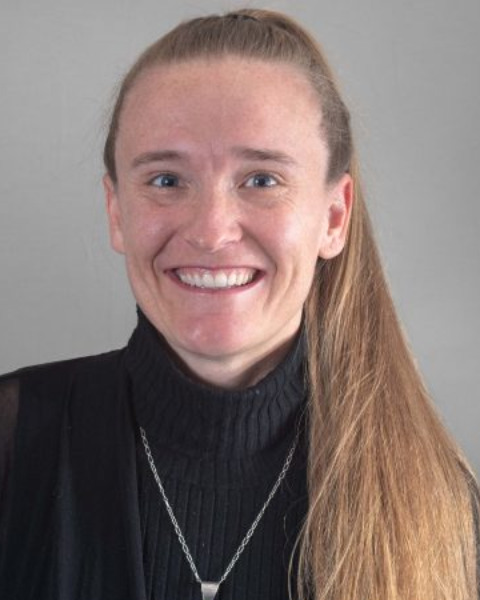
Associate Professor Northern Arizona University Flagstaff, Arizona, United States
Abstract Childhood sexual abuse (CSA) that occurs within religious groups is often met with disbelieving, harmful reactions from institutional representatives when survivors report abuse (Christl et al., 2024; Ellis et al., 2022; Gardner, 2022). Indeed, emerging research shows that institutional betrayal (IB) is likely common in these and similar contexts, although IB-related research in both religious and child abuse settings is limited and needed (Christl et al., 2024; Goertzen & Yancy, 2025). Furthermore, the focus in religion-related CSA studies has been on clergy-perpetrated sexual abuse (e.g., Moncrief- Stuart & Pooler, 2025), indicating a gap in understanding other potentially common abuse contexts and perpetrator types within religious groups. Finally, previous research suggests that there is a complicated relationship between CSA and the contexts in which it occurs, religious institutional responses to known abuse, and religiosity. For example, some studies have demonstrated that spiritual beliefs such as prayer habits and attachment to a higher power are damaged by CSA (Ellis et al., 2022), but it is unclear the extent to which institutional responses contribute to that damaged spirituality. Other research, however, shows that aspects of religiosity (such as religious/ spiritual coping) can in some instances play a protective role against the posttraumatic effects of abuse (Ellis et al., 2022). In this exploratory, cross-sectional pilot study, we will address these research gaps by asking: what is the dual intermediary role of both religious coping and institutional responses in predicting religiosity following CSA? A sample of N=500 university students will be recruited from the Sona Human Subjects Participant pool at Northern Arizona University in the Fall of 2025. In this study, we will document CSA prevalence and contexts among adult college students who were members of any religious group as children. We will also capture institutional responses to CSA and institutional culture or contexts that contributed to or mitigated abuse (including IB); religious coping; and both current internal religiosity (e.g, spirituality, attachment to God), and current behavioral religiosity (e.g., membership, participation). Using Mplus, we will then explore the best model fit between three possible models (moderation, mediation, or moderated mediation) each highlighting distinct ways in which the two intermediary variables institutional responses (incl. IB) and religious coping might work together to impact a person’s current religiosity; and whether this model changes based on abuse contexts (e.g., clergy perpetrator vs. church member perpetrator.) The results of this study will provide a more nuanced understanding of typical religious contexts for CSA, as well as the impact of institutional responses and coping on posttraumatic religiosity. Given the complexity of CSA occurring under the umbrella of religious trauma, the insights from this study carry critical insight that has the potential to inform prevention and recovery efforts.
Learning Objectives:
At the conclusion of this session participants will be able to:
Identify the most common contexts (e.g., perpetrators, settings) in which CSA occurs in religious settings
Describe the extent to which religious/ spiritual coping can mitigate the impact of CSA on post-traumatic religiosity
Describe the extent to which institutional betrayal impacts post-traumatic religiosity following CSA
Detail the complicated dual role of both religious coping and institutional responses in predicting post-traumatic outcomes, including religiosity
Discuss the final structural equation model with the best model fit between a moderation, mediation, or moderated mediation model