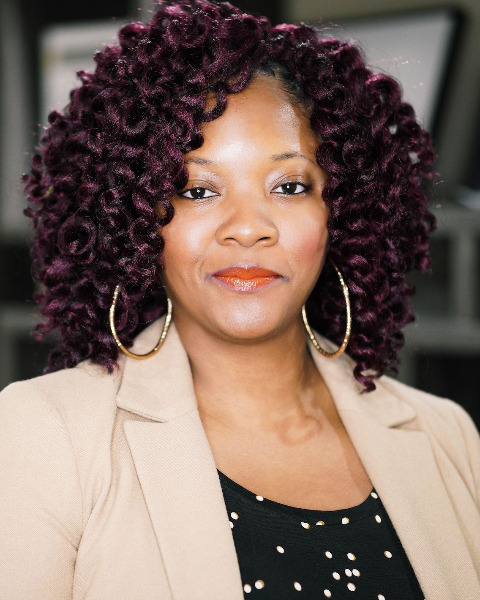
Associate Professor University of Illinois Urbana Champaign Savoy, Illinois, United States
Abstract In this plenary session, Dr. Robyn L. Gobin will examine the intersection of trauma, cultural context, and healing practices in the therapeutic support of Black women survivors of sexual trauma. Grounded in culturally responsive care, the session will highlight how historical and systemic inequities—such as racism, sexism, and economic marginalization—shape both the prevalence and impact of trauma in the lives of Black women. Attention will be given to the cultural context of trauma, including how societal stereotypes, healthcare inequities, and structural barriers often compound survivors’ distress and limit access to responsive care.
Drawing on years of research and clinical expertise, Dr. Gobin will present evidence-based strategies for providing therapy that not only addresses trauma symptoms but also affirms cultural identity and resilience. The session will emphasize the importance of therapeutic practices that are culturally attuned, strengths-based, and responsive to the lived experiences of Black women. Ways clinicians can engage survivors in culturally meaningful and empowering pathways toward post-traumatic growth will be illustrated.
Holistic approaches will also be explored, including the integration of mind-body practices and self-compassion as essential tools for healing. These practices not only help survivors regulate stress responses and reconnect with their bodies but also cultivate a compassionate relationship with the self—countering shame and internalized oppression that often accompany trauma. Beyond individual therapy, participants will consider how community-based resources, collective practices, and advocacy can extend support and foster long-term wellness.
Finally, the session will address the role of self-care as a therapeutic strategy. For Black women survivors, culturally relevant self-care and mind-body practices may serve as pathways to reclaiming agency and resilience. For trauma therapists, intentional self-care and compassion-based practices are essential to sustaining effectiveness, reducing burnout, and modeling healthy healing strategies.
Attendees will leave with a richer understanding of the nuanced needs of Black women survivors of sexual trauma and practical tools for advancing healing through culturally responsive therapy, holistic mind-body practices, and sustainable clinical support.
Learning Objectives:
At the conclusion of this session participants will be able to:
Describe the unique cultural and historical factors shaping the experiences of Black women survivors of sexual trauma and their impact on recovery
Apply culturally grounded, trauma-informed therapeutic approaches that foster empowerment, resilience, and healing
Demonstrate clinical strategies for building trust, safety, and cultural attunement, while integrating values-based approaches to help Black women survivors align healing with their identities and strengths
Integrate holistic interventions—including mind-body practices and self-compassion—into treatment planning to support client resilience and long-term wellness
Evaluate the role of therapist self-care as a professional and ethical competency that sustains effectiveness and models resilience in trauma-informed care