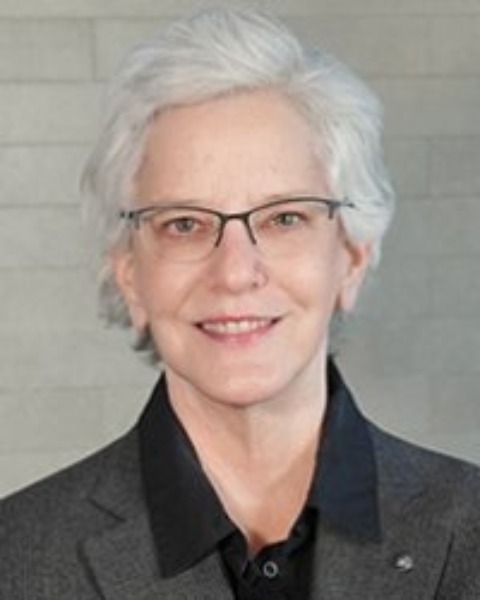
Kingdon Saylor Endowed Director of Trauma Programs McLean Hospital Belmont, Massachusetts, United States
Abstract Dissociative identity disorder (DID) is often a hidden diagnosis—shaped by histories of early childhood trauma and reinforced by societal stigma. These experiences can foster a deep, but misplaced, sense of shame that leaves many individuals feeling silenced and alone. For those living with DID, the resulting isolation can be painful; for clinicians, it can make treatment and dialogue especially challenging.
In this plenary address, Dr. Kaufman, a physician–scientist and psychiatrist specializing in the study and treatment of trauma and dissociation, will reflect on a career in academia. She will share highlights from her group’s clinical and research work alongside lessons learned through collaboration with DID advocacy and lived experience panels. The openness of individuals in these panels who shared their stories publicly informed her eventual, and hesitant, choice to self-disclose publicly—a step she took only after many years in her career.
She will also address the misperception that lived experience confers unique clinical authority, emphasizing instead the central roles of rigorous training, supervision, and scientific knowledge in developing expertise. At the same time, she will reflect on how her own experience perhaps has enhanced her ability to describe the phenomenology of DID in accessible terms—translating complex concepts into language that resonates with patients, clinicians, and the public.
The presentation will consider the risks and benefits of vulnerability in clinical and academic life, including questions of boundaries, credibility, and authenticity. Dr. Kaufman will describe how navigating these issues has shaped her view of what it means to bring both expertise and humanity to the study and treatment of dissociation.
For clinicians, these reflections translate into practical lessons: recognizing the shame and isolation patients with DID often carry and finding ways to convey that they are not alone, creating therapeutic spaces safe enough for disclosure while remaining mindful of one’s own stance toward vulnerability, and integrating insights from lived experience groups into education and research to reduce stigma and support healing.
Ultimately, this talk invites attendees to consider how professional identity, personal authenticity, and scientific rigor can coexist in work with DID. Clinicians will leave with clinical and scientific insights and a renewed appreciation for the role of empathy, collaboration, and lived experience in supporting dissociative individuals.
Learning Objectives:
At the conclusion of this session participants will be able to:
Identify the clinical and societal factors that contribute to shame and isolation in individuals with dissociative identity disorder
Describe strategies for creating therapeutic spaces that support safe disclosure by patients with DID
Differentiate between the potential risks and benefits of clinician self-disclosure in trauma-focused clinical and academic contexts
Apply insights from lived experience collaborations to reduce stigma and enhance clinical care for individuals with dissociation
Evaluate how professional identity, personal authenticity, and scientific rigor can be balanced in clinical practice with dissociative patients